Colorful City Shinsekai and Tsutenkaku Tower in Osaka MUST-GO


shinsekai


Shinsekai is a colorful and popular tourist spot. Moreover, families with small children enjoy there because there are Tennohji Doubutsuen(zoo) and Tenshiba Park nearby.


Shinsekai was designed as an entertainment district in the early 20th century, and originally modeled after the cities of New York and Paris. Opened in 1912, “Shinsekai” literally means “New World” and because of its modern image the area quickly became a popular tourist attraction.


Tsutenkaku-tower


Shinsekai’s biggest attraction is the Tsutenkaku Tower. The original tower was built in 1912 designed to resemble the Parisian Eiffel Tower on top and the Arc de Triomphe at its base. The name “Tsutenkaku” can be translated as “Sky Route Tower” and at 64 meters high it was the 2nd biggest structure in Asia at the time. It became a symbol of pride for Osaka and many people visited to see it. 


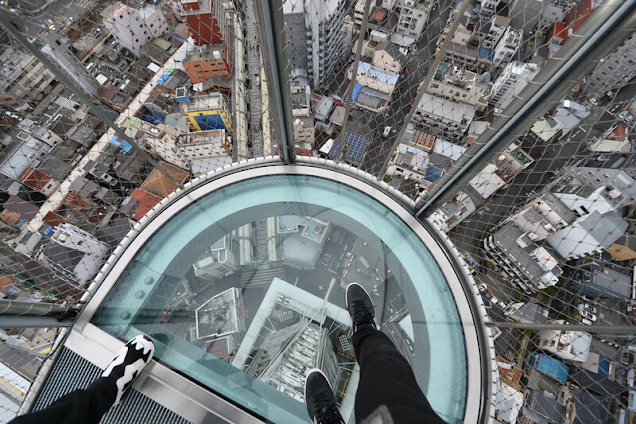
Tsutenkaku has souvenir shops and amusements and has two observation decks on the 4th and 5th floors from which you can enjoy a panoramic view of the city. The entrance fee of Tsutenkaku is 800 yen. I recommend going there on a weekday because there is a long line on holiday.


You should enjoy at a Kinnikuman Museum on its 2nd floor which is dedicated to a popular manga character, and on the 3rd floor there is a diorama model of the original Tsutenkaku and Luna Park.


JANJAN YOKOCHO 


This alley was named “Janjan” after the sound of the shamisen, a stringed instrument that girls once played here to lure customers into bars. 

JANJAN YOKOCHO is an attractive shopping arcade for liquor lovers which has lots of Kushikatsu and Sushi restaurants.


JANJAN Yokocho is particularly well-known for its kushikatsu restaurants which serve deep-fried skewers of breaded meat and vegetables. Washed down with a cold beer this is a specifically enjoyable way to enjoy Shinsekai culture.


Thank you for reading my article!
Feel free to leave a comment!
I hope you’ll have a great time in Japan!
Happy traveling !!

Comments

Popular posts from this blog

🍁 Kyoto Autumn Night Viewings & Illumination Guide 2025 🍁

🍁 Kyoto Autumn Night Illuminations & Temple Light-Ups 2025 🍁 *All information may change. Please confirm on each official website before visiting. Dates are based on 2024 information unless confirmed for 2025. Table of Contents 1. Ninnaji Temple “Sea of Clouds” Illumination 2. Kodaiji & Entokuin Autumn Night Viewing 3. Yoshimine-dera Bamboo Light-Up 4. NAKED × Nijo Castle: Moonlight Exhibition 5. Kenninji “Fushiki – A Zen Light Experience” 6. Kitano Tenmangu Momiji Garden Illumination 7. Shouzan Garden Autumn Lights 8. Toji Temple Night Illumination 9. Kurama “Path of Tengu” Light-Up 10. Shoren-in Temple Main Hall Illumination 11. Kifune Shrine Main Approach Light-Up 12. Toyokuni Shrine Digital Light Performance 13. Ohara Hosen-in Temple Night Garden Light-Up 1. Ninnaji Temple “Sea of Clouds” Illumination Fri, Sat, Sun, Holidays Only Dates Oct 24 (Fri) – Dec 14 (Sun) *...

Why Japanese Izakaya Culture Is More Than Just Drinking After Work

  Izakaya and the Culture of Entertaining in Japan In Japan,  izakaya  — casual restaurants where people gather to eat and drink — are a common sight. But from an international perspective, izakaya are a unique blend of two worlds: in many Western countries, meals are typically enjoyed at restaurants, while alcohol is reserved for bars or pubs. The combination of food and drink in a single, laid-back setting is part of what makes izakaya culture so special. Izakaya menus are extensive, with dishes meant to be shared among groups. Diners enjoy small plates alongside a wide range of alcoholic options, including beer, sake , shochu , umeshu (plum wine), and fruit-flavored “ chuhai .” One surprising concept for many foreigners is the  “all-you-can-drink”  ( nomihodai ) option, often available for a set time. Late-night hours are another defining feature, with many izakaya staying open until the early morning. It’s common to move from one place to another in a night...

What Is Bushido? The Soul of the Samurai Explained

  W hat comes to mind when you hear the word “ samurai ”? A brave swordsman in armor? A stoic warrior who lives and dies by honor? While popular culture often focuses on the sword-fighting aspect of samurai, the truth behind their origin, lifestyle, and beliefs is far deeper — and more fascinating. Let’s take a closer look at how samurai came to be, what Bushido really means, and what everyday life was like for these iconic Japanese warriors. H ow Were the Samurai Born? The samurai originated during Japan’s Heian period (794–1185), when aristocrats hired armed guards to protect their estates. These guards gradually became highly skilled in martial arts and warfare and later evolved into a class of professional warriors known as “samurai.” The term  samurai  comes from  saburau  (侍う), which means “to serve.” Samurai were not independent warriors — they were employed by nobles, generals, and eventually shoguns . Those without a master were known as  ronin ....